How Tribal Festivals and Children’s Workshops Help Preserve Cultural Heritage
Tribal festivals and children’s workshops play an important role in preserving cultural heritage. They keep traditional music, dance, art, storytelling, and community values alive by connecting people directly with their roots. In a fast-changing world, these cultural activities create space for learning, participation, and pride in traditional identity.
Why Tribal Festivals Matter
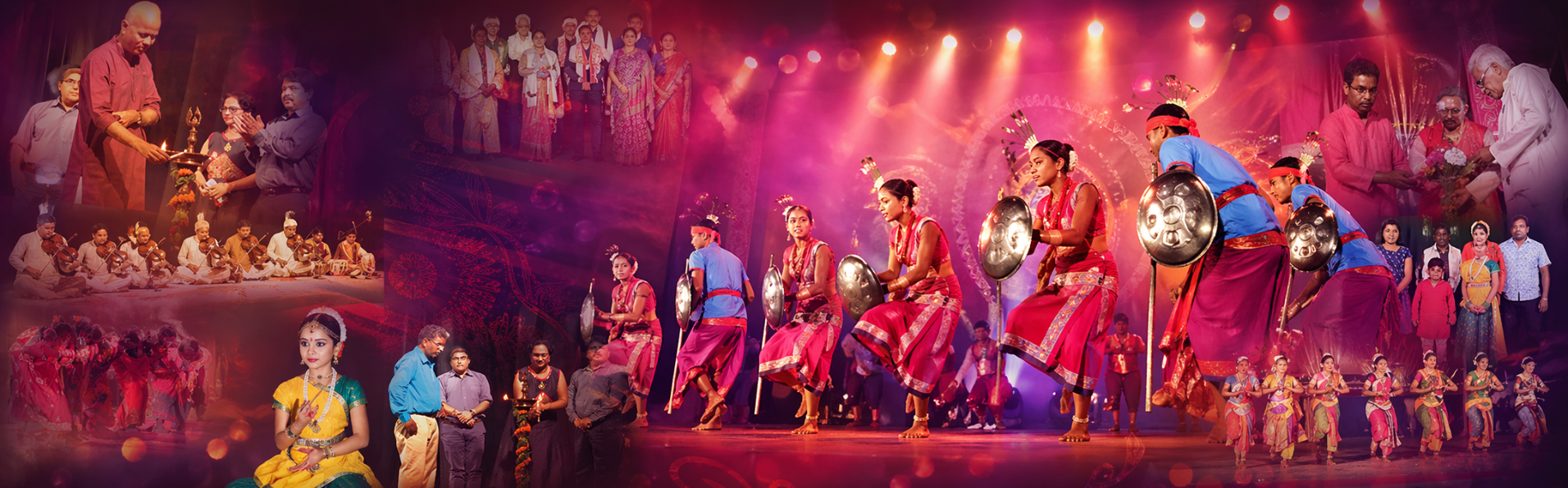
Tribal festivals are more than celebrations. They are living cultural platforms where communities express their identity through traditional songs, dances, costumes, rituals, food, art, and collective memory. These festivals help preserve customs that have been passed from one generation to another.
Festivals Keep Traditions Visible
When traditional culture is performed in festivals, it becomes visible to both the community and the wider public. This visibility is important because it creates awareness, appreciation, and respect for local heritage. It also gives traditional artists and performers a strong platform to share their knowledge and skills.
Children’s Workshops Build Cultural Connection
Children’s workshops help the younger generation learn cultural values in an active and meaningful way. Through music, dance, theatre, storytelling, drawing, and group activities, children get a chance to understand their traditions not as old memories, but as living experiences.
Why Children Are Important for Cultural Preservation
The future of cultural heritage depends on children and youth. If they do not learn traditional practices, many valuable forms of art and knowledge may slowly disappear. Workshops help children become aware of their roots and encourage them to carry traditions forward with confidence.
Benefits of Tribal Festivals and Workshops
- Preserve traditional music, dance, art, and storytelling
- Create pride in cultural identity and local heritage
- Encourage community participation and unity
- Give artists and tradition bearers a public platform
- Help children and youth learn through participation
- Build awareness about the value of cultural preservation
Workshops Create Learning Beyond the Classroom
Cultural workshops give children practical learning that is different from regular classroom education. They can observe, perform, listen, create, and interact directly with artists, elders, and cultural guides. This creates emotional connection and makes learning more memorable.
Festivals Strengthen Community Identity
A festival brings people together. It strengthens relationships, collective memory, and local identity. Community members see their traditions represented with respect and celebration, which creates unity and pride. This shared experience helps keep culture strong within the community.
The Role of Cultural Institutions
Cultural institutions like AADIM-SANSKRITI can create long-term impact by organizing festivals, workshops, children’s theatre programs, cultural awareness events, and public heritage activities. These efforts help document tradition, support artists, and ensure that cultural knowledge continues in a structured way.
Preserving Heritage Through Participation
Cultural preservation becomes stronger when people participate. Festivals, children’s workshops, and community activities turn heritage into a living practice. Instead of remaining only in memory, culture becomes part of daily learning, celebration, and identity.
“When children learn culture through participation, heritage becomes a living force for the future.”
Conclusion
Tribal festivals and children’s workshops are powerful tools for preserving cultural heritage. They protect traditional knowledge, support artistic expression, and connect future generations to their identity. By creating meaningful cultural platforms, communities and institutions can ensure that heritage continues with dignity, visibility, and pride.
Explore More from AADIM-SANSKRITI
Discover our festivals, workshops, gallery, and cultural initiatives.