Why Tribal and Folk Culture Must Be Preserved for Future Generations
Tribal and folk culture is one of the most valuable parts of India’s identity. It carries traditional music, dance, art, customs, stories, festivals, and community wisdom that have been preserved for generations. In today’s changing world, protecting this heritage is essential so that future generations can remain connected to their roots, values, and cultural memory.
What Tribal and Folk Culture Represents
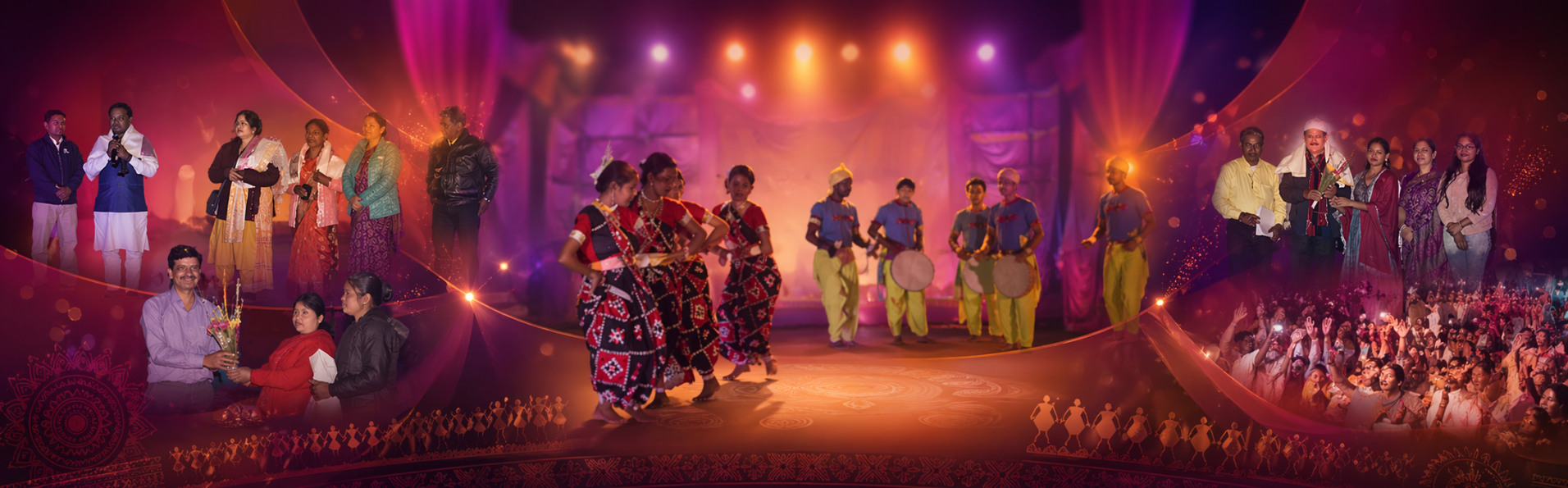
Tribal and folk culture reflects the living traditions of communities. It includes songs, instruments, dance forms, rituals, oral history, visual art, local language, traditional dress, and collective celebrations. These traditions are not just symbols of the past; they are active expressions of identity, belonging, and community life.
Why Preservation Is Important
Preserving tribal and folk heritage protects knowledge that cannot be replaced once lost. It helps communities maintain their identity and gives younger generations a chance to learn where they come from. When traditional culture disappears, stories, artistic methods, values, and social memory disappear with it.
Culture Builds Identity and Pride
Every community needs cultural identity. Traditional songs, dances, festivals, and art forms create pride and emotional connection. They help people understand their heritage and build confidence in their social and cultural roots.
Traditional Music, Dance, and Art Need Support
Folk music and tribal dance are not only performance forms; they are connected to celebration, devotion, storytelling, and history. Traditional art forms also preserve local creativity and ways of seeing the world. Supporting artists and creating platforms for performance helps these traditions stay alive and visible.
Challenges in the Modern World
- Rapid social and lifestyle changes
- Low documentation of local traditions
- Reduced participation among younger generations
- Lack of regular platforms for traditional artists
- Limited awareness about cultural preservation
Why the Younger Generation Matters
The future of tribal and folk culture depends on children and youth. When they learn traditional music, theatre, dance, and cultural stories, they become the next carriers of heritage. Workshops, community programs, and cultural festivals can help them stay connected to tradition in meaningful ways.
Role of Cultural Institutions
Institutions like AADIM-SANSKRITI play an important role in preserving and promoting cultural heritage. Through festivals, performances, workshops, children’s activities, cultural outreach, and documentation, such institutions create platforms where traditional culture can continue with dignity and recognition.
Preservation Is Not Only About the Past
Cultural preservation is also about the future. It creates awareness, encourages respect, supports artists, strengthens communities, and helps society value diversity. A culture that is preserved remains a source of inspiration, education, and shared identity for generations to come.
“To preserve tribal and folk culture is to preserve memory, identity, creativity, and community wisdom.”
Conclusion
Tribal and folk culture must be preserved because it is a living foundation of cultural identity. It connects communities to their history and gives future generations a sense of belonging and pride. Through awareness, participation, documentation, and cultural initiatives, we can ensure that these traditions continue to live, grow, and inspire.
Explore More from AADIM-SANSKRITI
Discover our cultural activities, gallery, and heritage initiatives.