Rooted in Heritage, Guided by Cultural Purpose
AADIM-SANSKRITI is a socio-cultural institution created with a deep commitment to preserve, promote, and develop the rich tribal and folk heritage of music, dance, art, theatre, and community-based traditions.
Our Identity
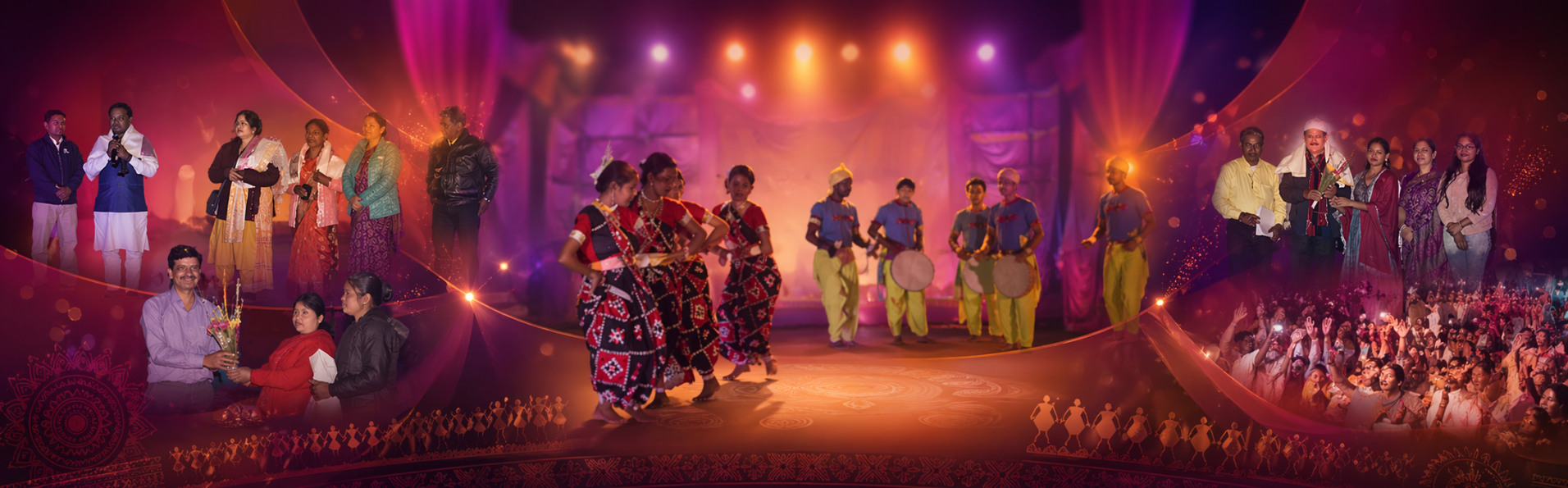
AADIM-SANSKRITI stands as a cultural platform that works to strengthen indigenous identity, support traditional artists, inspire younger generations, and bring tribal and folk heritage into meaningful public recognition.
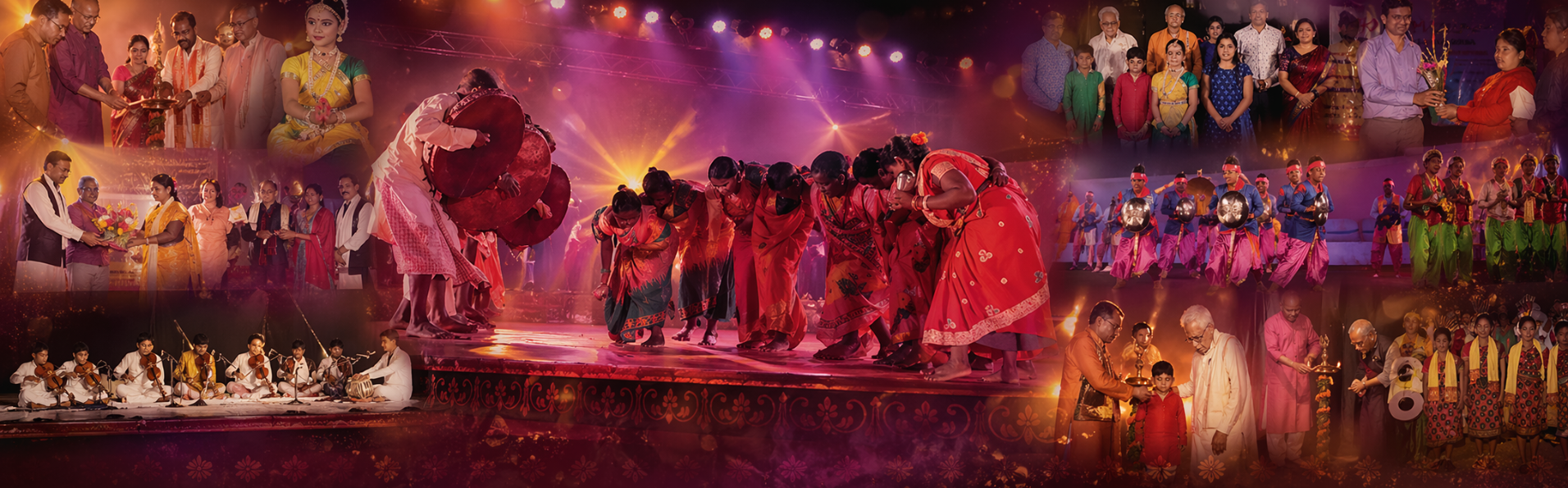
Through festivals, performances, workshops, awareness programs, institutional collaborations, and community participation, the institution continues to build a living connection between tradition and the future.
Founded With Purpose
Built to preserve cultural roots and create a strong platform for tribal and folk expression.
Community Centered
Focused on people, participation, local heritage, and intergenerational cultural continuity.
Inspired by Roots, Built for Cultural Continuity
AADIM-SANSKRITI was founded by Dr. Rudra Mani Patra, inspired by his upbringing and cultural connection to the tribal village of Kaunrikala in Keonjhar district, Odisha.
The institution emerged from a deep awareness that tribal and folk traditions carry identity, knowledge, memory, dignity, and social strength. These traditions are not only artistic expressions, but living cultural systems that deserve protection, recognition, and renewal.
With this vision, AADIM-SANSKRITI began its journey as a socio-cultural initiative committed to preserving, promoting, and developing the cultural heritage of tribal communities through festivals, workshops, performances, and community-based interventions.
What Guides Our Work
Our Vision
To build a strong and respected cultural platform where tribal and folk heritage is preserved, celebrated, documented, and passed on to future generations with dignity and pride.
Our Mission
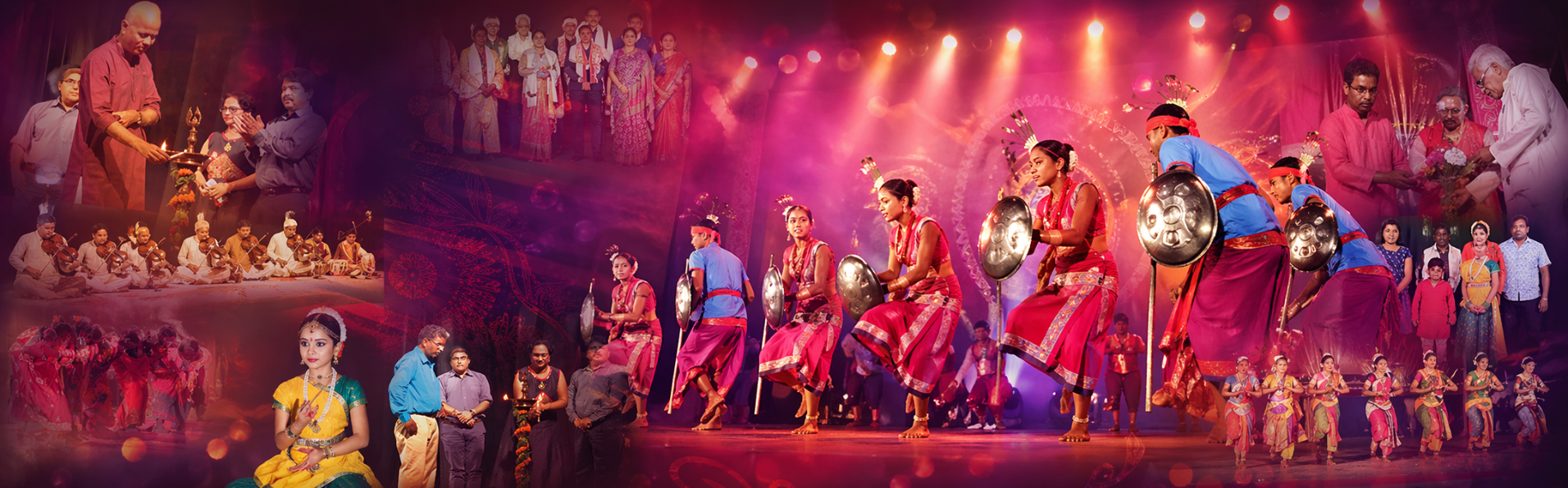
To organise festivals, workshops, performances, awareness activities, and cultural collaborations that promote tribal and folk music, dance, art, theatre, and community identity.
Our Goal
To contribute toward the development of Keonjhar as a vibrant Tribal Cultural Hub through meaningful socio-cultural initiatives rooted in community and heritage.
Dr. Rudra Mani Patra
Dr. Rudra Mani Patra is the Founder & General Secretary of AADIM-SANSKRITI and the guiding force behind its cultural vision. With a deep commitment to preserving tribal and folk heritage, he established the institution to create a meaningful platform for culture, identity, and artistic continuity.
His vision combines cultural dedication, institution-building, community engagement, and artistic respect. Under his leadership, AADIM-SANSKRITI has continued to expand its work through festivals, children’s workshops, cultural promotion, public participation, and collaborative initiatives.
The Principles Behind Our Journey
Cultural Preservation
Protecting traditional knowledge, practices, artistic forms, and community heritage.
Identity & Dignity
Celebrating tribal and folk identity with respect, visibility, and meaningful representation.
Community Participation
Encouraging shared ownership of culture through local involvement and collective celebration.
Youth Inspiration
Creating opportunities for younger generations to learn, practice, and value cultural heritage.
Artistic Recognition
Providing platforms that honour artists, performers, gurus, and traditional practitioners.
Continuity Through Action
Keeping culture alive through festivals, workshops, documentation, and public engagement.
A Cultural Path Built Over the Years
From music promotion and tribal festivals to children’s workshops and major public representation, AADIM-SANSKRITI continues to build a meaningful and visible cultural journey.
Kala Utsav
Promoting Indian classical music and supporting artists through stage opportunities and recognition.
Banajaati / Janjaati Mahotsav
Celebrating tribal music, dance, art, and community heritage through vibrant cultural gatherings.
Children’s Workshops
Engaging tribal children in theatre, cultural learning, personality development, and artistic expression.
State-Level Participation
Representing culture on broader platforms through public events, collaborations, and institutional participation.
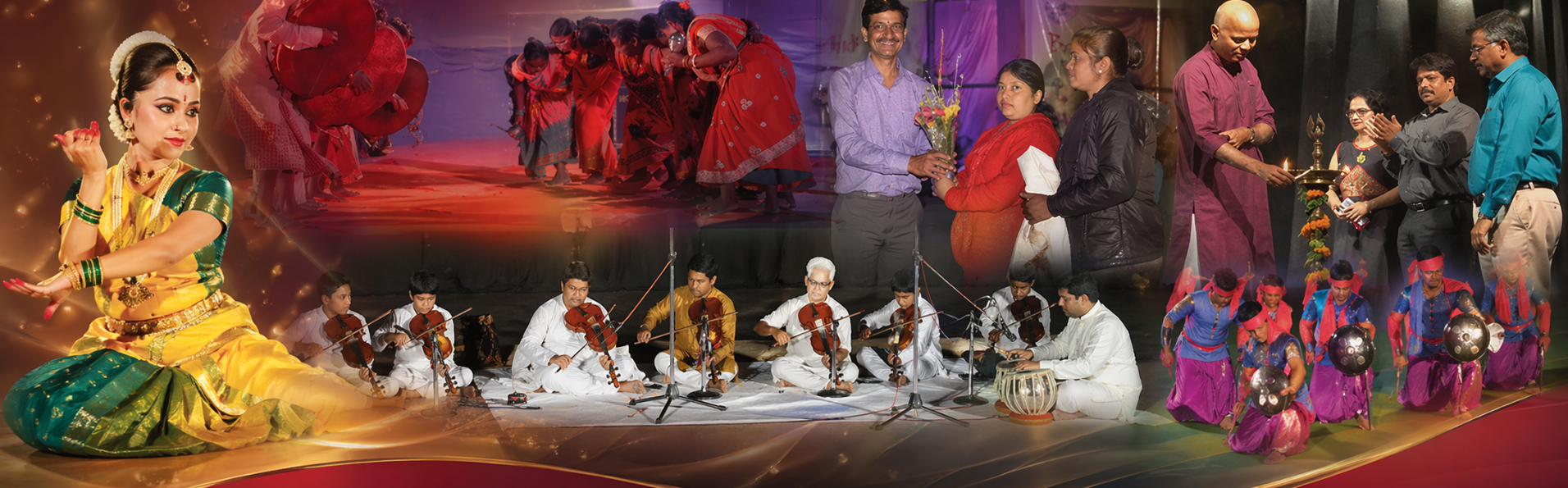
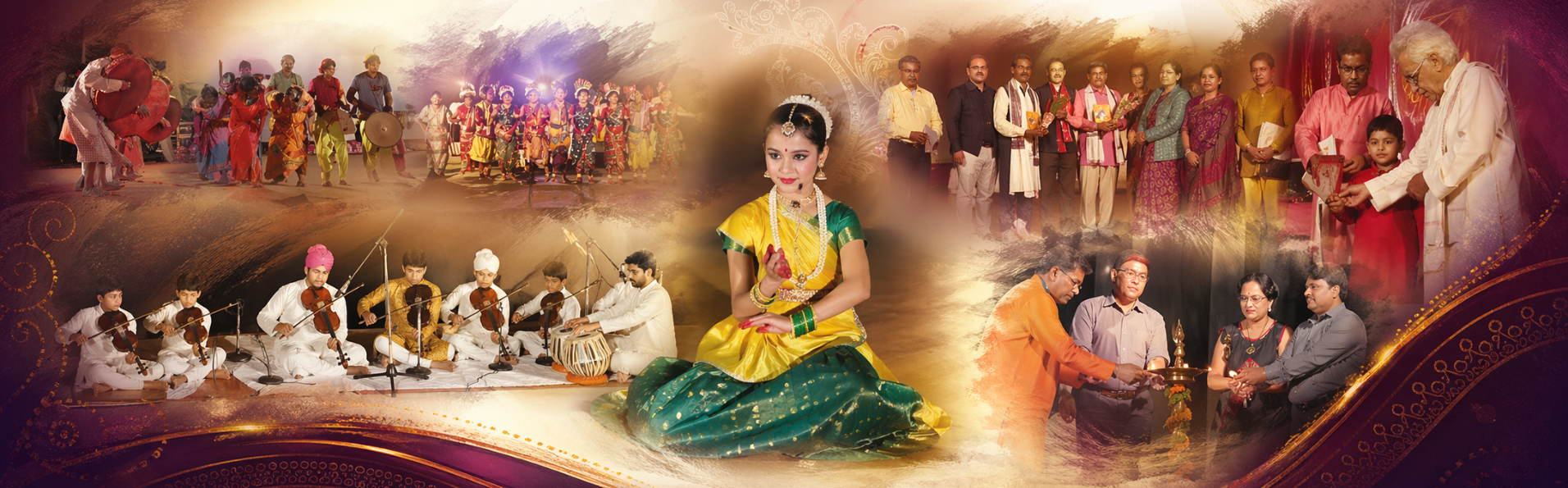
Culture Is More Than Memory — It Is a Living Force
Many traditional cultural forms face the risk of being forgotten in changing times. AADIM-SANSKRITI works to ensure that tribal and folk traditions remain visible, active, respected, and meaningful in the lives of present and future generations.
By creating cultural platforms, encouraging artists, involving communities, and inspiring youth, the institution transforms heritage from remembrance into living participation.
Be Part of the Cultural Journey
Explore our activities, festivals, workshops, gallery, and institutional work as we continue to celebrate and strengthen tribal and folk heritage through cultural action.